


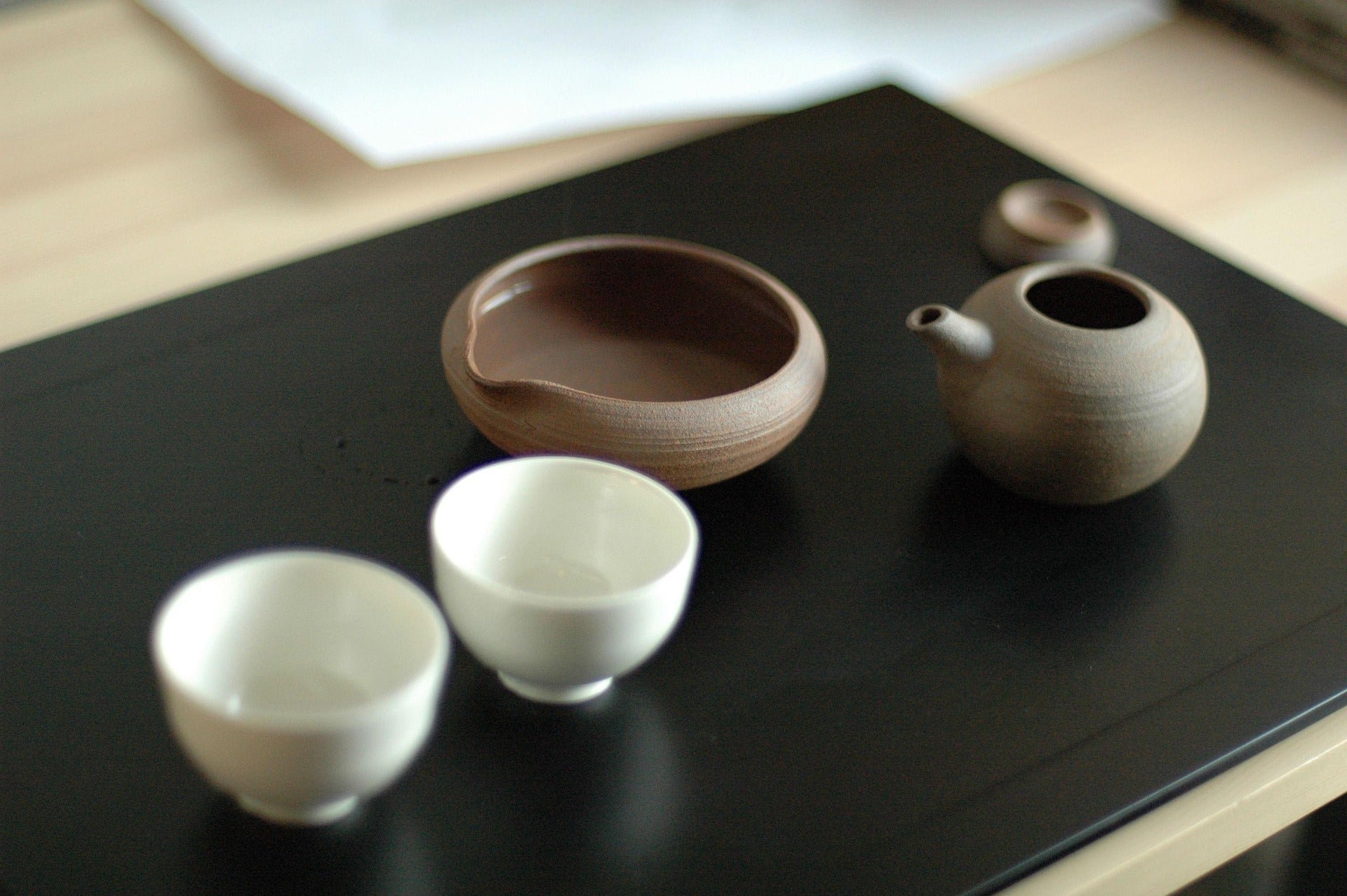
For centuries, the Japanese Tea Ceremony — known as Chanoyu (茶の湯) or Chadō (茶道,“the Way of Tea”) — has represented much more than simply drinking tea. It is a carefully choreographed ritual that blends art, philosophy, hospitality, and mindfulness. Every gesture, every object, and every silence within the ceremony carries meaning.
Today, people across the world are rediscovering this timeless ritual — not only as a window into Japanese culture, but also as a path toward calm, balance, and beauty in modern life.

The Origins of Chanoyu (茶の湯)
The roots of the tea ceremony trace back to the 9th century, when Buddhist monks first brought tea leaves from China to Japan. Over time, tea drinking evolved from a monastic practice into a refined cultural art.
By the 16th century, Sen no Rikyū—the legendary tea master—shaped the ceremony into what it is today. His influence emphasized simplicity, humility, and the beauty of imperfection, values deeply connected to the Japanese aesthetic of wabi-sabi.
The philosophy he championed lives on in the guiding principles of the tea ceremony: Harmony (和, wa), Respect (敬, kei), Purity (清, sei), and Tranquility (寂, jaku).
The Ritual: A Step-by-Step Journey
Attending a Japanese tea ceremony is like stepping into another world—quiet, deliberate, and filled with meaning. Though variations exist, the general flow follows these steps:
- Entering the Tea House – Guests often pass through a small garden, washing their hands to symbolically cleanse the spirit before entering.
- Seating & Appreciation – Guests admire the hanging scrolls, seasonal flowers, or ceramic vessels, each carefully chosen by the host.
- Preparation of Tea – The host uses traditional utensils:
-
- Chawan (tea bowl)
- Chasen (bamboo whisk)
- Chashaku (tea scoop)
Every movement is intentional—slow, graceful, and respectful.
- Sharing Matcha – The frothy green tea is served. Guests bow in gratitude, rotate the bowl before drinking, and sip with mindfulness.
- Closing the Ceremony – The utensils are cleaned with quiet reverence, ending the ritual in peaceful stillness.
Through this rhythm, everyday actions—pouring, whisking, drinking—become meditative acts.
The Aesthetics: Beauty in Every Detail

The tea ceremony is not just about drinking tea; it is about creating an aesthetic experience.
- Wabi-sabi – finding beauty in imperfection, such as a slightly uneven handmade bowl.
- Seasonal awareness – utensils, flowers, and sweets change with the time of year.
- Minimalism – every object serves a purpose; every movement is refined.
The tools of the tea ceremony (chadōgu) themselves are works of art. A single tea bowl can reflect centuries of craftsmanship, while the bamboo whisk embodies both fragility and strength.
At Blissful Reserve, we draw inspiration from these timeless principles—believing that even modern homes can embrace elegance through thoughtful design.
The Philosophy: The Way of Tea
The Japanese tea ceremony is built upon four values:
- Harmony (和, wa): living in balance with nature and others.
- Respect (敬, kei): honoring the host, the guests, and even the objects used.
- Purity (清, sei): cleansing the body and mind before and during the ritual.
- Tranquility (寂, jaku): the state of quiet acceptance and peace that follows practice.
These principles extend beyond the tearoom. They remind us to slow down, to appreciate small moments, and to treat others with mindfulness and care.
Experiencing a Japanese Tea House

In Japan, visitors can still experience authentic tea ceremonies, especially in Kyoto and Nara. Traditional tea houses (chashitsu) are intimate spaces, often built with natural materials like wood, bamboo, and clay.
Stepping inside, you leave behind the noise of daily life. The low entrance requires guests to bow as they enter—an act of humility. Inside, the atmosphere is quiet, serene, and deeply intentional.
For travelers, these ceremonies provide not only a cultural experience, but also a chance to reconnect with stillness.
The Tea Ceremony in Modern Life
You don’t need to travel to Kyoto to embrace the spirit of Chanoyu. Many people today are bringing elements of the Japanese tea ceremony into their daily lives:
- Mindful tea drinking – taking a few minutes each day to prepare tea with attention and gratitude.
- Creating rituals at home – setting aside time for family or friends to share tea without distractions.
- Aesthetic living – choosing objects and surroundings that inspire calm and beauty.
This philosophy aligns with what we at Blissful Reserve believe: that peace begins at home, and that small, mindful rituals can transform daily life.
Conclusion – A Timeless Ritual for Modern Calm
The Japanese Tea Ceremony is more than a cultural tradition—it is a living art form that teaches us presence, respect, and tranquility. From its Zen Buddhist origins to modern adaptations, the ritual continues to inspire people around the world.
Whether experienced in a Kyoto tea house or in the quiet of your own home, Chanoyu reminds us that true beauty lies in simplicity and mindfulness.

✨ Inspired to bring the elegance of tea rituals into your life?
At Blissful Reserve, we celebrate this timeless tradition through our curated collection of fine bone china and porcelain tea sets—crafted to elevate your everyday tea moments into something extraordinary.