

Bone china is a type of fine porcelain known for its delicate appearance, smooth surface, translucency, and refined feel. It is traditionally made with bone ash combined with ceramic materials such as kaolin clay and feldspathic minerals, then fired at high temperatures to create a strong yet relatively lightweight material.
Because of its combination of elegance and practicality, bone china is commonly used for tea sets, coffee cups, dinnerware, afternoon tea services, and other fine tableware.
But what exactly does “bone china” mean, and how is it different from ordinary porcelain? Understanding its material, characteristics, and traditional manufacturing process makes it easier to choose the right tableware for everyday rituals or more formal occasions.
What Is Bone China?
Bone china is a fine ceramic material traditionally made using bone ash, kaolin clay, feldspathic material, and other ceramic ingredients. The addition of bone ash is one of its defining characteristics and contributes to several properties associated with high-quality bone china, including translucency, whiteness, and a distinctive lightweight feel.
The term “china” refers to porcelain or fine ceramic tableware, while “bone” refers to the bone ash historically incorporated into the material.
Unlike some heavier ceramic tableware, bone china can be made relatively thin while maintaining good strength. When held toward a light source, a thin piece of bone china may also allow light to pass through the body of the material, creating its characteristic translucent appearance.
This combination of fine texture, translucency, strength, and refined appearance is why bone china has long been associated with elegant table settings and fine dining.
For a closer look at its ingredients and manufacturing process, see our guide to [What Is Bone China Made Of?].
What Does Bone China Mean?
The meaning of “bone china” comes from the material itself.
“Bone” refers to bone ash, which is traditionally produced by processing animal bones at high temperatures. “China” refers to porcelain or fine ceramic ware.
The use of bone ash distinguishes traditional bone china from many other types of porcelain. It contributes to the material's characteristic appearance and physical properties, although the exact formulation can vary between manufacturers and production traditions.
Bone china should therefore not simply be understood as “porcelain made from bones.” It is a carefully formulated ceramic material in which bone ash is combined with other ingredients and subjected to controlled firing.
Modern bone china can also vary considerably in composition, manufacturing technique, thickness, decoration, and quality. For this reason, the term describes a category of fine ceramic rather than a single identical formula used by every manufacturer.
What Is Bone China Made Of?
Traditional bone china is made from a combination of several ceramic ingredients.
Bone Ash
Bone ash is the defining ingredient associated with traditional bone china. It is produced from animal bones that have undergone high-temperature processing.
Bone ash contributes to the characteristic translucency, whiteness, and strength-to-weight characteristics associated with bone china.
Kaolin Clay
Kaolin is a fine white clay commonly used in porcelain production. It provides the basic ceramic structure and helps create the smooth, refined body associated with fine porcelain.
Feldspathic Materials
Feldspathic materials act as fluxes during firing. They help the ceramic ingredients vitrify at high temperatures, producing a dense and relatively non-porous body.
Other Ceramic Ingredients
Manufacturers may use additional materials to adjust properties such as firing behavior, whiteness, translucency, strength, surface finish, and workability.
The exact composition is not necessarily identical across all bone china products.
The manufacturing process is equally important. Raw ingredients are carefully prepared, shaped, dried, decorated when appropriate, and fired at controlled temperatures. These stages determine many of the final characteristics of the finished piece.
What Makes Bone China Different From Other Porcelain?
Bone china and porcelain are closely related fine ceramic materials, but they are not interchangeable terms.
The most significant difference is composition. Traditional bone china incorporates bone ash, while conventional porcelain does not necessarily contain it.
This difference in formulation can contribute to noticeable differences in appearance and feel.
Translucency
One of the most recognizable characteristics of bone china is its translucency.
A thin bone china cup or plate can allow light to pass through its body. The effect is particularly noticeable around thinner edges or areas where the material has been carefully formed.
Lightweight Feel
Bone china can achieve a relatively thin and lightweight body while maintaining good strength.
This makes it particularly suitable for delicate-looking tea cups, coffee cups, plates, and other tableware where a refined tactile experience is part of the design.
Smooth Surface
High-quality bone china generally has a smooth, refined surface with a fine texture.
Its clean white appearance also provides a neutral background for painted patterns, colored decoration, and metallic accents.
Refined Appearance
Bone china is often chosen for its visual qualities as much as its functional characteristics.
Its combination of thinness, translucency, whiteness, and smoothness gives it a distinctive presence on a dining or tea table.
For a detailed comparison of the two materials, see [Bone China vs Porcelain].
What Is Bone China Used For?
Bone china is most commonly associated with fine tableware and hospitality settings.
Its combination of elegance, relatively light weight, and durability makes it suitable for many different applications.
Tea Sets
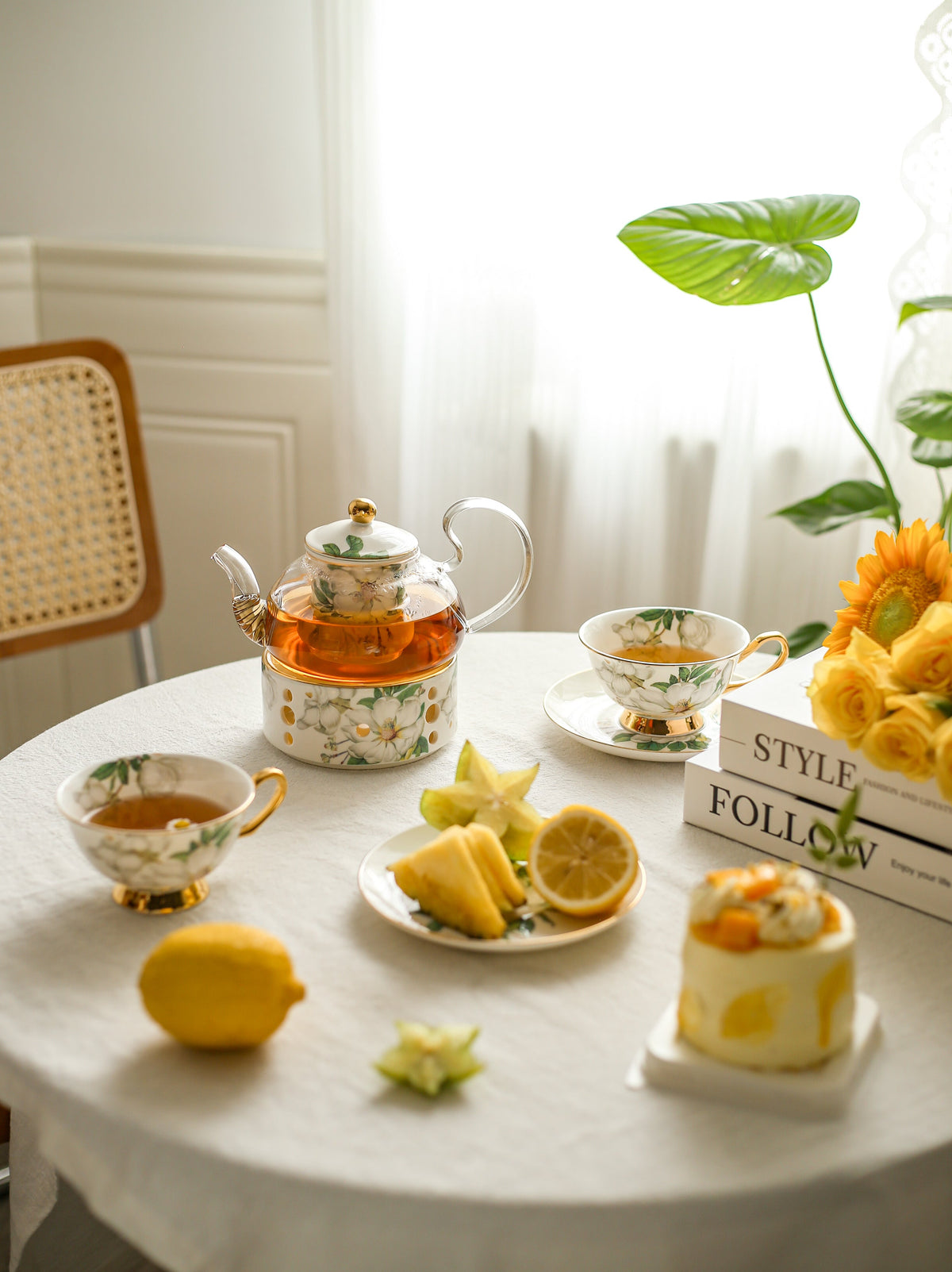
Bone china is particularly well suited to tea service. Thin cups can create an elegant drinking experience while the translucent body adds visual depth to the table.
Bone china tea sets are often used for afternoon tea, formal gatherings, entertaining, and gifting.
Coffee Cups
Bone china is also commonly used for coffee cups and espresso cups.
Its smooth surface and refined profile work well with minimalist or decorative designs, while the relatively thin body can provide a different tactile experience from thicker ceramic mugs.
Dinnerware
Plates, bowls, serving pieces, and other dining ware can also be produced from bone china.
The material's white, refined surface provides a versatile foundation for both traditional and contemporary table settings.
Afternoon Tea Sets
Afternoon tea is one of the settings most closely associated with fine bone china.
A coordinated tea service can include cups, saucers, teapots, dessert plates, and serving pieces, allowing the material itself to become part of the visual ritual.
Giftware
Because bone china has traditionally been associated with fine tableware and formal occasions, it is also frequently used for gifts.
A well-made bone china tea set or coffee cup set can combine practical use with a more ceremonial sense of occasion.
Is Bone China Durable?
Bone china has a delicate appearance, but its thinness should not automatically be confused with fragility.
The material is fired at high temperatures and can have good mechanical strength relative to its weight. This allows manufacturers to create relatively thin tableware without sacrificing all of the durability expected from functional ceramics.
However, durability depends on more than the material itself.
The thickness of the piece, manufacturing quality, shape, glaze, decoration, firing process, and everyday handling can all affect how well a particular item performs over time.
Metallic decoration is another consideration. Bone china pieces decorated with gold or other metallic finishes may require more careful cleaning and handling than undecorated pieces.
Always follow the manufacturer's care instructions for dishwasher, microwave, washing, and storage.
Is Bone China Good for Everyday Use?
Bone china can be used for everyday dining, tea, and coffee, provided the individual piece is designed and cared for appropriately.
Some people reserve fine bone china for special occasions, while others enjoy using it as part of an everyday ritual.
The choice often comes down to the type of experience you want from your tableware.
For everyday use, consider:
-
The manufacturer's care instructions
-
Whether the piece contains metallic decoration
-
The thickness and construction of the item
-
Dishwasher and microwave compatibility
-
How the piece will be stored and handled
A beautifully made cup does not necessarily need to wait for a special occasion. For many people, part of the appeal of fine tableware is bringing a more considered quality to ordinary moments.
Why Do People Choose Bone China?
There is no single reason to choose bone china.
Some people are drawn to its translucent appearance. Others appreciate its smooth surface and lightweight feel. For tea and coffee drinkers, the shape, thickness, and tactile qualities of the cup can also become part of the experience.
Common reasons for choosing bone china include:
-
Translucency — a distinctive quality when the material is thin enough to transmit light.
-
Lightweight construction — fine pieces can feel surprisingly light in the hand.
-
Smooth surface — a refined finish suitable for both classic and contemporary tableware.
-
Elegant appearance — its white, luminous body works well with a wide range of designs.
-
Versatility — suitable for tea, coffee, dining, entertaining, and gifting.
-
Timeless appeal — fine bone china can complement both traditional and modern table settings.
For those who appreciate quiet details, these characteristics can make a difference. The appeal of bone china is often less about making a table look extravagant and more about creating a sense of refinement through proportion, material, and touch.
How to Choose High-Quality Bone China
Not every bone china piece offers the same level of craftsmanship.
When choosing bone china tableware, look beyond the label and consider the overall construction.
Examine the Translucency
Hold a thin section of the piece toward a light source. High-quality fine bone china can display a noticeable degree of translucency.
The effect will vary according to thickness and formulation, so translucency alone should not be treated as a complete measure of quality.
Look at the Surface
The surface should generally appear smooth and consistent, without obvious roughness, pinholes, cracks, or uneven glazing.
Check the Shape
Fine tableware depends heavily on proportion.
Look at the rim, handle, foot, and overall symmetry. Small differences in these details can have a significant effect on how a cup or plate feels in use.
Consider the Decoration
Hand-painted patterns, printed designs, and metallic finishes can all change the character and care requirements of bone china.
If a piece features gold decoration, for example, check the manufacturer's instructions before placing it in a dishwasher or microwave.
Consider the Intended Use
A formal afternoon tea set, an everyday coffee cup, and a collectible decorative piece may all have different requirements.
Choose the construction, decoration, and care requirements according to how you actually plan to use the tableware.
Bone China for Tea, Coffee, and Everyday Rituals
Fine tableware does more than serve a practical function.
A tea cup changes the way tea feels in the hand. A carefully proportioned coffee cup can make a short morning pause feel more deliberate. A coordinated tea set can turn a simple gathering into a more considered occasion.
This is one reason bone china remains relevant even as tableware styles continue to change.
Its appeal comes from a combination of material properties and sensory details: the translucency of the body, the smoothness of the surface, the balance of a cup in the hand, and the way the tableware interacts with light.
At its best, bone china does not need to be loud to feel special.
Frequently Asked Questions About Bone China
What is bone china?
Bone china is a type of fine porcelain traditionally made with bone ash, kaolin clay, feldspathic materials, and other ceramic ingredients. It is known for its translucency, smooth surface, relatively lightweight feel, and refined appearance.
Is bone china made from real bone?
Traditional bone china contains bone ash made from processed animal bones. The bone ash is incorporated into a ceramic formulation and fired at high temperatures as part of the manufacturing process.
What does bone china mean?
“Bone china” refers to a fine ceramic material traditionally containing bone ash. “Bone” refers to the bone ash used in the formulation, while “china” refers to fine porcelain or ceramic tableware.
Is bone china the same as porcelain?
No. Bone china is a type of fine porcelain with a distinctive composition that traditionally includes bone ash. Conventional porcelain does not necessarily contain bone ash.
Is bone china better than porcelain?
“Better” depends on what you value. Bone china is known for qualities such as translucency, lightweight construction, and refined appearance, while other types of porcelain may offer different characteristics and design possibilities.
Is bone china durable?
Yes, bone china can be quite durable relative to its thin and lightweight construction. However, durability depends on the quality and construction of the individual piece, as well as how it is used and cared for.
What is bone china used for?
Bone china is commonly used for tea sets, coffee cups, dinnerware, afternoon tea services, serving pieces, and giftware.
Can bone china be used every day?
Yes. Many bone china pieces can be used regularly, but care requirements vary. Always check the manufacturer's instructions, particularly for pieces with metallic gold or other decorative finishes.
Explore Fine Bone China Tableware
For those who appreciate the quieter details of a well-set table, bone china offers a distinctive combination of material quality, refined appearance, and everyday usability.
Explore the [Blissful Reserve Bone China Collection] for tea sets, cups, and tableware designed around considered proportions, detailed craftsmanship, and a timeless sense of refinement.
Whether used for afternoon tea, morning coffee, entertaining, or a quiet moment alone, fine tableware can turn an ordinary ritual into something more intentional.
Related Guides
-
[What Is Bone China Made Of?] — A closer look at bone ash, kaolin, feldspathic materials, and the manufacturing process.
-
[Bone China vs Porcelain] — A detailed comparison of composition, appearance, durability, and everyday use.
-
[Blissful Reserve Bone China Collection] — Explore our curated bone china tea sets and tableware.