

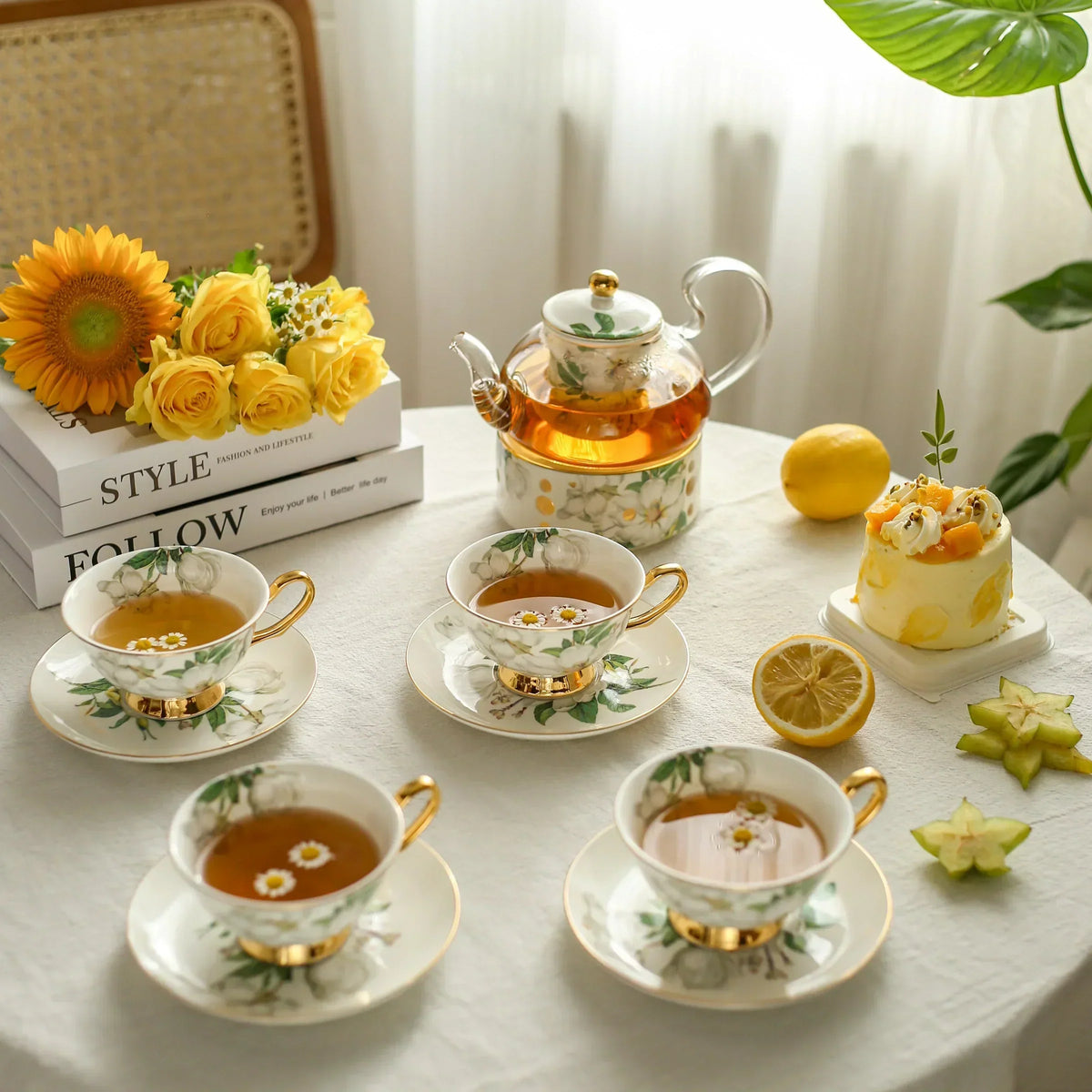
An afternoon tea party is an opportunity to slow down, welcome good company, and appreciate the simple beauty of a thoughtfully prepared table. Whether you are hosting an intimate gathering for two or inviting a small group of friends, the right table setting can transform an ordinary afternoon into a memorable ritual.
But how do you set the table for an afternoon tea party? The process is simpler than it may seem. With an elegant tea set, a well-chosen teapot, coordinated tableware, and a few considered details, you can create an atmosphere that feels both effortless and refined.
This guide explores how to set an afternoon tea table, how to choose the right tea pot set or teapot set, and how to incorporate Chinese tea set traditions into a contemporary entertaining experience.

What You Need for an Afternoon Tea Party Table Setting
Before arranging your table, consider the number of guests, the style of tea you plan to serve, and the overall atmosphere you want to create.
A well-prepared afternoon tea table typically includes:
-
A teapot or tea pot set suitable for the tea you are serving
-
Matching or complementary teacups and saucers
-
Small plates for pastries, sandwiches, or desserts
-
Teaspoons and serving utensils
-
A serving tray or cake stand
-
Cloth napkins
-
A selection of tea
-
Optional accents such as fresh flowers, candles, or a small tablecloth
You do not need an extensive collection of tableware. A thoughtfully selected tea set can provide both function and visual harmony, allowing the table to feel complete without becoming crowded.
The goal is to create a setting where each element has a purpose and nothing competes with the experience of gathering together.
How to Set the Table for an Afternoon Tea Party
Setting an afternoon tea table involves more than placing cups and plates in a particular arrangement. It is about creating a comfortable flow for serving, conversation, and enjoyment.
Follow these steps to prepare a welcoming afternoon tea setting.
1. Choose a Suitable Table and Establish a Foundation
Start with a clean, stable table that provides enough space for your guests and the food you intend to serve.
A neutral tablecloth, linen runner, or natural wooden surface can serve as an understated foundation. Soft, muted colors such as ivory, warm beige, sage, or natural wood tones create a calm backdrop for porcelain, ceramic, and glassware.
Avoid covering every available surface with decorative objects. Leaving some space between elements allows the table to feel balanced and makes it easier for guests to reach their tea and refreshments.
For a more contemporary setting, you can choose to forgo a tablecloth entirely. A beautiful tabletop paired with carefully selected tableware can create an equally inviting result.
2. Position the Tea Set as the Center of the Experience
The tea set is often the visual and functional focus of an afternoon tea table.
Place the teapot in a central or easily accessible position, depending on the size and layout of your table. If you are serving several guests, consider using a serving tray or positioning the teapot where it can be reached without disrupting conversation.
Your tea set may include:
-
A teapot
-
Teacups and saucers
-
A milk jug, if appropriate
-
A sugar bowl or small serving dish
-
A tea strainer or additional serving accessories
The pieces do not need to be identical, but they should work together in terms of proportion, color, and material.
A porcelain tea set creates a classic afternoon tea atmosphere, while a more sculptural ceramic or handcrafted set can introduce a sense of individuality.
Blissful Reserve explores tea and entertaining objects that bring together refined design, considered details, and the quiet pleasure of everyday rituals.
3. Arrange Teacups, Saucers, and Teaspoons
Place one teacup and saucer at each guest's setting. Position the teaspoon neatly on the saucer or beside it, depending on the style of service and the available space.
Allow enough room between individual place settings so that guests can comfortably lift their cups and enjoy their food.
If you are using a traditional afternoon tea arrangement, the teacups can be positioned near the edge of the table, with plates and serving dishes arranged within easy reach.
For a more relaxed gathering, you may choose to place the cups and saucers on a shared tray and allow guests to select their preferred tea service.
There is no single arrangement that every afternoon tea party must follow. Practicality, comfort, and the atmosphere you want to create should guide your decisions.
4. Create a Thoughtful Arrangement for Food and Desserts
Afternoon tea is traditionally associated with small sandwiches, pastries, scones, and other delicate refreshments. The way you present these foods can complement the overall table setting.
Consider using:
-
A tiered cake stand for pastries and scones
-
Small porcelain plates for individual servings
-
A central serving platter for sandwiches
-
Small bowls for preserves, cream, or accompaniments
Arrange larger serving pieces toward the center of the table, while keeping frequently used items accessible.
A tiered stand can help create visual height, but it is not essential. A low, carefully arranged platter can be equally elegant, particularly for a more modern or intimate gathering.
Choose serving pieces that complement your tea set rather than competing with it.
5. Select a Teapot Set That Suits Your Tea Ritual
The teapot is both a practical serving object and an important part of the visual experience.
When choosing a tea pot set or teapot set, consider the following factors:
Material: Porcelain and ceramic offer different aesthetic and functional characteristics. Porcelain often creates a delicate, polished appearance, while handcrafted ceramics can add texture and individuality.
Capacity: Choose a teapot that accommodates the number of guests you intend to serve. A smaller pot may be suitable for an intimate tea ritual, while a larger pot can be more practical for group gatherings.
Design: Consider the shape of the pot, the handle, the spout, and how comfortably it can be used. A visually appealing design should also support a smooth serving experience.
Coordination: If your teapot comes as part of a set tea set, check whether the cups and other pieces share complementary proportions and finishes.
A cohesive teapot set can simplify your table styling while creating a unified visual identity.
However, you do not have to purchase a complete set. Pairing a distinctive teapot with individually selected cups and serving pieces can create a more personal table arrangement.

A Refined Choice: The Regal Crown Bone China Tea Set
For those who appreciate a more distinctive afternoon tea setting, the Regal Crown Bone China Tea Set brings together classic bone china craftsmanship and a refined, architectural aesthetic.
A deep blue mosaic motif contrasts with an ivory-toned white body, while sculptural handles and slender rims finished in 24K gold add a considered touch of elegance. Designed for both everyday rituals and special occasions, this tea set offers a cohesive way to prepare and present afternoon tea for a small gathering.
The collection includes a teapot, six teacups and saucers, six spoons, a milk jug, and a sugar bowl, making it a practical choice for hosting up to six guests. Its coordinated pieces allow you to create a unified table setting without having to source every element separately.
With its balance of decorative detail and functional tableware, the Regal Crown Bone China Tea Set works particularly well alongside neutral linens, understated serving pieces, and a simple floral arrangement.
For a host who wants an afternoon tea table to feel welcoming yet thoughtfully composed, a complete bone china tea set can provide both the foundation and the finishing touch.
How to Choose the Right Tea Set for Your Afternoon Tea Table

A tea set is more than a collection of cups and a teapot. It contributes to the rhythm, appearance, and character of the tea experience.
The right choice depends on your entertaining style, the type of tea you enjoy, and the setting in which you plan to use it.
Porcelain Tea Sets for a Classic Afternoon Tea Atmosphere
Porcelain tea sets are a natural choice for a traditional afternoon tea setting. Their refined appearance pairs well with linen napkins, delicate pastries, floral arrangements, and understated tableware.
A white or neutral porcelain tea set can serve as a versatile foundation, allowing you to introduce seasonal accents without replacing your entire tableware collection.
For a more distinctive appearance, consider porcelain pieces with subtle patterns, sculptural details, or carefully applied decorative finishes.
Chinese Tea Sets for a More Intentional Tea Experience
A Chinese tea set can introduce a different approach to tea preparation and serving.
Traditional Chinese tea practices often place emphasis on the teapot, small cups, the preparation process, and the appreciation of the tea itself. Depending on the tea and the brewing method, a Chinese tea set may include a small teapot, several tasting cups, a serving vessel, or other accessories.
You can incorporate elements of this tradition into a contemporary afternoon tea setting without replicating a formal tea ceremony.
For example, a small Chinese tea set can be used for a focused tea tasting before dessert, or a handcrafted teapot can become the centerpiece of an intimate gathering.
The result is a table that feels personal rather than overly formal.
When selecting a Chinese tea set, consider the material, craftsmanship, capacity, and the type of tea you intend to prepare. A set should feel natural to use while complementing the atmosphere of your home.
Matching Sets or Curated Individual Pieces?
When searching for a tea set, some people prefer a coordinated collection, while others enjoy combining individual pieces.
A matching tea set offers consistency and convenience. The teapot, cups, and saucers are designed to work together, which can make table preparation easier.
A curated collection provides greater flexibility. You might combine a handcrafted teapot with porcelain cups, textured plates, or a distinctive serving tray.
Both approaches can create an elegant result.
The most important consideration is whether the pieces support the experience you want to create. Thoughtful table design does not require every object to come from the same collection.
6. Add Texture Through Linen, Ceramics, and Natural Materials
Texture helps create depth and visual interest without requiring excessive decoration.
Consider introducing a combination of:
-
Linen napkins
-
Ceramic or porcelain tableware
-
A wooden serving board
-
A glass vase
-
Natural flowers or greenery
These materials can soften the appearance of a table and create a sense of warmth.
For a refined setting, select a limited palette of materials and finishes. A porcelain tea set paired with natural linen and a wooden surface can feel understated and welcoming.
Avoid introducing too many contrasting patterns or decorative elements. A calm table often benefits from restraint.
7. Use Flowers and Decorative Details Sparingly

Fresh flowers can bring a sense of seasonality to an afternoon tea table. However, the arrangement should not obstruct sightlines or make it difficult for guests to interact.
A small vase positioned toward one side of the table may be sufficient. Alternatively, a few individual stems placed in small vessels can create a lighter, more informal appearance.
Choose flowers that complement your tea set and the overall palette.
For a quiet, sophisticated atmosphere, consider soft foliage, white flowers, or natural seasonal tones. If your tea set already features intricate decoration, simpler floral arrangements may allow its details to remain visible.
The objective is not to make the table look elaborate. It is to create an environment that feels considered and comfortable.
8. Prepare the Tea Before Guests Arrive
A smooth afternoon tea experience depends on thoughtful preparation.
Before your guests arrive:
-
Select the teas you intend to serve.
-
Prepare the teapot, cups, and serving accessories.
-
Check the water temperature recommended for each tea.
-
Arrange the food and serving pieces.
-
Ensure that napkins, teaspoons, and other essentials are easy to reach.
Different teas require different brewing temperatures and steeping times. Follow the recommendations appropriate to the specific tea you are preparing.
If you are serving more than one tea, you may wish to offer a lighter option first, followed by a more aromatic or robust variety.
The serving sequence can remain informal. Afternoon tea is an opportunity to enjoy the process rather than follow a rigid set of rules.
Afternoon Tea Table Setting Ideas for Different Occasions
Your table arrangement can change depending on the number of guests and the atmosphere you want to create.
An Intimate Afternoon Tea for Two
For two guests, keep the arrangement simple and personal.
Use a smaller tea set, a central teapot, two cups and saucers, and one shared plate of pastries or sandwiches. A small vase or linen napkin can provide a subtle decorative accent.
A compact table setting allows the tea preparation and conversation to remain the focus.
A Small Afternoon Tea Gathering
For a gathering of four to six guests, consider using a larger teapot set or placing a serving tray at the center of the table.
Arrange the food on shared platters and ensure that guests can comfortably reach the tea and refreshments.
A coordinated tea set can help create visual unity, while a few individual details, such as napkins or floral accents, can give each place setting a personal touch.
A Contemporary Afternoon Tea at Home
A contemporary afternoon tea table does not need to resemble a formal hotel tea service.
You can combine a modern ceramic tea set with natural wood, minimal tableware, and seasonal food. Alternatively, a traditional Chinese tea set can be incorporated into a relaxed gathering with modern serving pieces.
Focus on proportion, material, and the relationship between the objects on the table.
A contemporary setting is often most effective when the design feels intentional but not overly arranged.
Common Mistakes to Avoid When Setting an Afternoon Tea Table
Even a beautiful tea set can lose its impact if the table becomes uncomfortable or cluttered.
Here are several common mistakes to avoid.
Overcrowding the Table
Too many plates, decorative objects, and serving pieces can make it difficult for guests to move comfortably.
Prioritize the items you genuinely need, and leave enough space for tea service and conversation.
Choosing a Teapot Based Only on Appearance
A visually striking teapot may not be practical for your preferred brewing method or group size.
Consider capacity, handling, pouring, and maintenance alongside its design.
Mixing Too Many Styles Without a Clear Connection
Eclectic tableware can be beautiful, but unrelated colors, materials, and proportions may create a disjointed appearance.
Look for at least one connecting element, such as a shared color palette, material, or design language.
Treating Traditional Tea Rules as Strict Requirements
Afternoon tea and Chinese tea traditions have distinct cultural histories and serving practices.
You can appreciate these traditions while adapting your tea experience to your own home and guests. If you are preparing a specific traditional tea ceremony, learn the relevant customs and techniques rather than assuming that every tea service follows the same conventions.
Frequently Asked Questions About Afternoon Tea Table Settings
What should be on an afternoon tea table?
An afternoon tea table generally includes a teapot, teacups and saucers, small plates, teaspoons, serving dishes, and the refreshments you plan to offer. Additional items, such as a cake stand, napkins, or flowers, depend on the style and size of your gathering.
Do I need a matching tea set for an afternoon tea party?
No. A matching tea set offers a cohesive appearance, but combining complementary individual pieces can create a distinctive and personal table setting. Focus on coordinating materials, colors, and proportions.
What is the difference between a tea set and a teapot set?
The terms are often used interchangeably, although their meaning can vary between retailers. A tea set may refer to a collection of tea-serving pieces, such as a teapot, cups, and saucers. A teapot set may refer to a teapot paired with cups or other accessories. Always check the specific contents of a product listing before purchasing.
Can I use a Chinese tea set for an afternoon tea party?
Yes. A Chinese tea set can be incorporated into a contemporary afternoon tea experience, particularly when you want to introduce a more focused tea preparation ritual. Choose a set that suits the type of tea you are serving and the number of guests.
How do I make an afternoon tea table look elegant without spending too much?
Begin with a clean, uncluttered table and one well-chosen tea set. Add coordinated napkins, simple serving pieces, and a small floral arrangement if desired. You do not need expensive decorations to create an inviting atmosphere.
The Beauty of a Thoughtfully Prepared Tea Table
Setting a table for an afternoon tea party is not about following a perfect formula. It is about creating the conditions for a meaningful pause: a warm cup of tea, a shared conversation, and a setting that invites you to stay a little longer.
Whether you prefer a classic porcelain tea set, a handcrafted Chinese tea set, or a distinctive teapot set that reflects your personal taste, the most enduring choices are those that combine beauty with intention.
At Blissful Reserve, we believe that the objects we bring into our homes can shape the rituals we create around them.
From carefully considered tea sets to refined entertaining pieces, our collections are designed for moments of stillness, connection, and everyday enjoyment.
Where Peace Begins.