


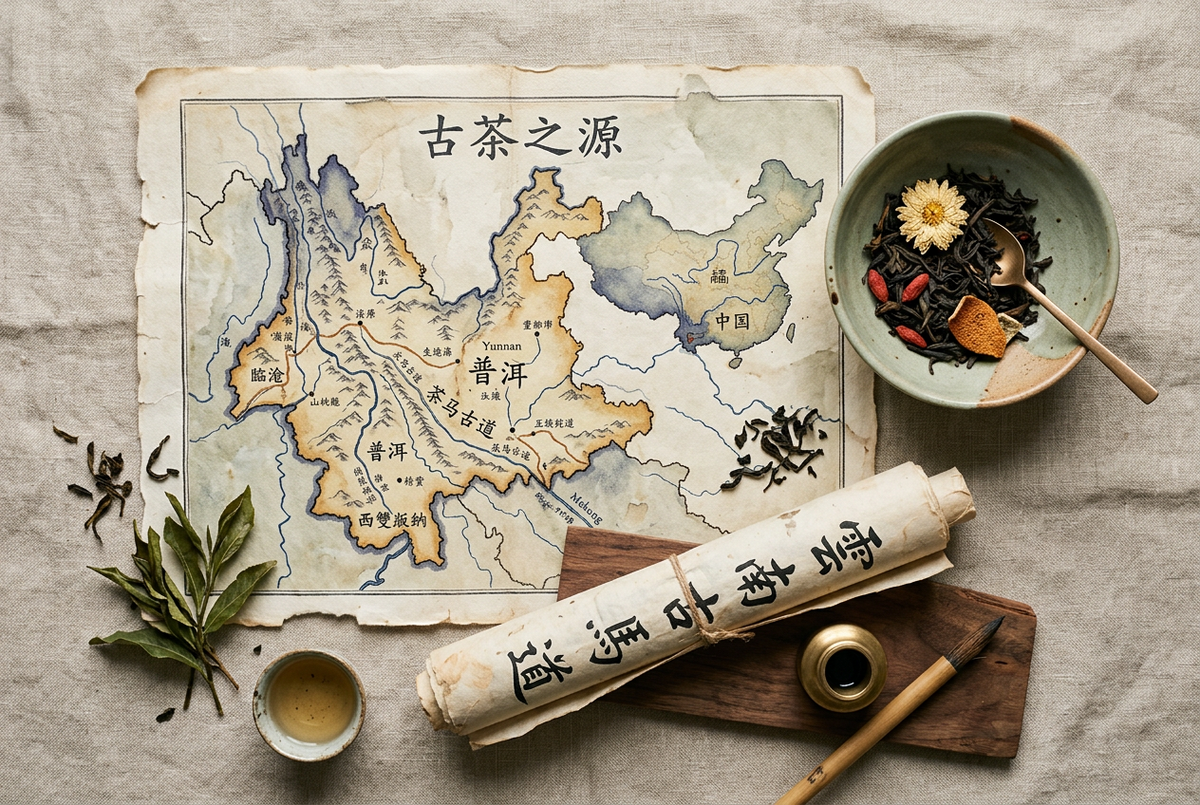
Few beverages have travelled through history as gracefully as tea. Today, it is enjoyed in countless ways, from a simple morning cup to carefully prepared tea ceremonies. Yet behind every infusion lies a story shaped by ancient landscapes, changing traditions and generations of craftsmanship.
The origins of tea are closely associated with China, where the tea plant was cultivated and tea drinking gradually developed into an important part of daily life. Over centuries, tea travelled across Asia and eventually reached Europe and beyond, inspiring distinct customs, brewing techniques and forms of teaware.
To understand tea today is to explore not only the history of a beloved beverage, but also the enduring relationship between nature, ritual and the objects through which we experience it.
1. Where Did Tea Originate?
The tea plant, scientifically known as Camellia sinensis, is native to parts of Asia, particularly regions of southwestern China and neighbouring areas. China holds a central place in the early history of tea cultivation and consumption, although the precise beginnings of tea drinking remain difficult to establish.
One well-known Chinese legend attributes the discovery of tea to Shennong, a legendary figure associated with agriculture and herbal knowledge. According to the story, tea leaves fell into water he was boiling, producing an aromatic infusion. Although this tale belongs to tradition rather than verified historical evidence, it reflects the longstanding place of tea in Chinese cultural memory.
The earliest history of tea is not entirely documented. Tea leaves may initially have been used in food preparation or traditional remedies before drinking tea as a beverage became more widespread.
Over time, cultivation, processing and brewing developed into distinct practices. What began with a plant growing in the natural landscape eventually became a beverage with its own techniques, vocabulary and cultural significance.
2. Tea in Ancient China: From Daily Drink to Cultural Tradition

Tea drinking gradually became more established in China during the centuries before and after the beginning of the Common Era. By the Tang dynasty (618–907), it had developed into a recognised part of social and cultural life.
An important figure in this history was Lu Yu (c. 733–804), the scholar traditionally known as the Sage of Tea. His work, The Classic of Tea (Cha Jing), systematically explored tea cultivation, processing, preparation, utensils and drinking customs.
The book helped establish tea as a subject worthy of careful study and appreciation. It also illustrates how tea was understood as more than a beverage: the quality of the leaves, the preparation of the infusion, the water and the utensils all contributed to the experience.
During the Tang dynasty, tea preparation commonly involved compressed tea cakes that were processed before being boiled. By the Song dynasty (960–1279), powdered tea whisked with hot water had become an important practice, accompanied by refined tea bowls and elaborate preparation techniques.
Tea culture continued to evolve during the Ming dynasty (1368–1644), when steeping loose tea leaves became increasingly prominent. This method helped shape many familiar approaches to brewing tea today.
Each period brought its own aesthetic and practical innovations, demonstrating how tea traditions evolved alongside changes in craftsmanship and everyday life.
3. How Tea Spread Beyond China
Tea's journey beyond China was gradual, shaped by trade, religious exchange and cultural contact.
During the early ninth century, tea drinking spread to Japan, where Buddhist monks and other cultural exchanges helped introduce and develop new practices. Over time, Japanese tea traditions evolved into distinctive forms of tea ceremony, placing particular emphasis on preparation, hospitality and the atmosphere of the gathering.
Tea also became established in Korea, where it developed within local religious, social and ceremonial traditions.
By the seventeenth century, tea had reached European markets through expanding maritime trade. It initially became fashionable among affluent consumers before gradually reaching broader sections of society. In Britain, tea eventually became closely associated with afternoon tea and domestic hospitality.
As tea travelled, its preparation changed to reflect local tastes and customs. Some traditions emphasised whisking powdered tea; others favoured steeping whole leaves in a pot. Different cultures also developed their own preferences for cups, bowls and serving vessels.
Tea therefore has a shared history, but no single universal way of enjoying it. Its enduring appeal lies partly in this ability to adapt while retaining a recognisable connection to its origins.
4. The Evolution of Tea Brewing and Teaware

The history of tea is inseparable from the history of the vessels used to prepare and serve it.
In Tang China, compressed tea was prepared through a process that could include roasting, grinding and boiling. During the Song dynasty, powdered tea was whisked into a frothy infusion, making the shape and surface of the tea bowl important to the visual experience.
Dark-glazed stoneware, including Jian ware, became particularly associated with Song dynasty tea culture. The contrast between the dark glaze and the pale foam of whisked tea made these bowls especially suited to the period's preferred preparation method.
The Metropolitan Museum of Art documents surviving Jian tea bowls from the eleventh and twelfth centuries, providing tangible evidence of the relationship between ceramic craftsmanship and tea drinking.
Explore the museum's collection of Song dynasty tea bowls to see examples of these historic vessels.
As loose-leaf brewing gained prominence during the Ming dynasty, teapots, cups and other vessels continued to develop. Materials such as porcelain and stoneware offered different combinations of appearance, heat retention and tactile character.
Today, the choice of teaware remains part of the pleasure of making tea. A cup's weight, glaze, shape and feel in the hand can influence how a tea ritual is experienced, turning an ordinary pause into a more considered moment.
5. Tea as a Ritual of Everyday Life

Across cultures, tea has served as a way to welcome guests, accompany conversation and create moments of pause.
In some traditions, preparing tea involves a carefully observed sequence of movements. In others, the ritual is more informal: warming a teapot, measuring the leaves, pouring hot water and waiting for the aroma to unfold.
Neither approach needs to be elaborate to be meaningful.
The appeal of tea often lies in the attention it invites. The sound of water being poured, the changing colour of the infusion and the warmth of a cup encourage us to slow down and become more present.
Tea also brings people together. It can mark a quiet morning alone, a conversation with a friend or an occasion when hospitality matters. Across generations, these small gestures have helped tea remain part of everyday life.
Its history reminds us that a ritual does not need to be grand to hold significance. Sometimes, it begins with the simple decision to make time for a cup of tea.
6. Rediscovering the Art of Tea Today
Modern tea culture brings together centuries of tradition and contemporary ways of living. Some people explore the nuances of individual tea varieties, while others appreciate the craftsmanship of a well-made teapot or the simplicity of a favourite cup.
There is no single correct way to enjoy tea. The experience can be shaped by the leaves, the water, the brewing method and the objects chosen for the table.
For those drawn to traditional tea preparation, a thoughtfully selected tea set can make the process feel more intentional. For everyday enjoyment, a favourite cup may be all that is needed.
At Blissful Reserve, we believe that the objects we use in daily life can contribute to a more considered way of living. Tea offers a natural expression of this idea: a meeting of craftsmanship, sensory pleasure and the quiet rhythm of a familiar ritual.
The origins of tea may lie in ancient landscapes, but its story continues each time we prepare a cup.
Frequently Asked Questions About the Origins of Tea

Where did tea originally come from?
Tea originated in Asia, with China playing a central role in the early history of tea cultivation and drinking. Southwestern China and neighbouring regions are important areas in the natural distribution and early history of tea plants.
Who discovered tea?
Chinese tradition credits Shennong, a legendary figure associated with agriculture and herbal knowledge, with discovering tea. This is a traditional origin story rather than a historically verified account of a single discovery.
When did people begin drinking tea in China?
The precise beginning is uncertain. Historical evidence indicates that tea was consumed in China in antiquity, while tea drinking became increasingly established as a cultural practice over the centuries and flourished during the Tang dynasty.
What is The Classic of Tea?
The Classic of Tea, written by Lu Yu during the Tang dynasty, is an influential early work devoted to tea. It discusses the plant, cultivation, processing, preparation, utensils and customs associated with drinking tea.
How did tea spread around the world?
Tea spread through a combination of regional trade, religious and cultural exchange, and later international maritime commerce. It developed distinctive traditions in East Asia before becoming increasingly popular in Europe from the seventeenth century onward.
Why is teaware important in tea culture?
Teaware supports the practical process of preparing and serving tea while contributing to its visual and sensory character. The vessel's shape, material, glaze and feel can all influence the experience of a tea ritual.
A Tradition That Continues to Unfold
From its early history in China to the many tea traditions practised around the world, tea has continually adapted to new places and ways of life.
Yet its essential appeal remains familiar: the pleasure of a carefully prepared infusion, the beauty of a well-made vessel and the opportunity to pause amid the demands of the day.
The story of tea is not simply a story of where a beverage began. It is also a story of how small, repeated rituals become part of the way we live.