


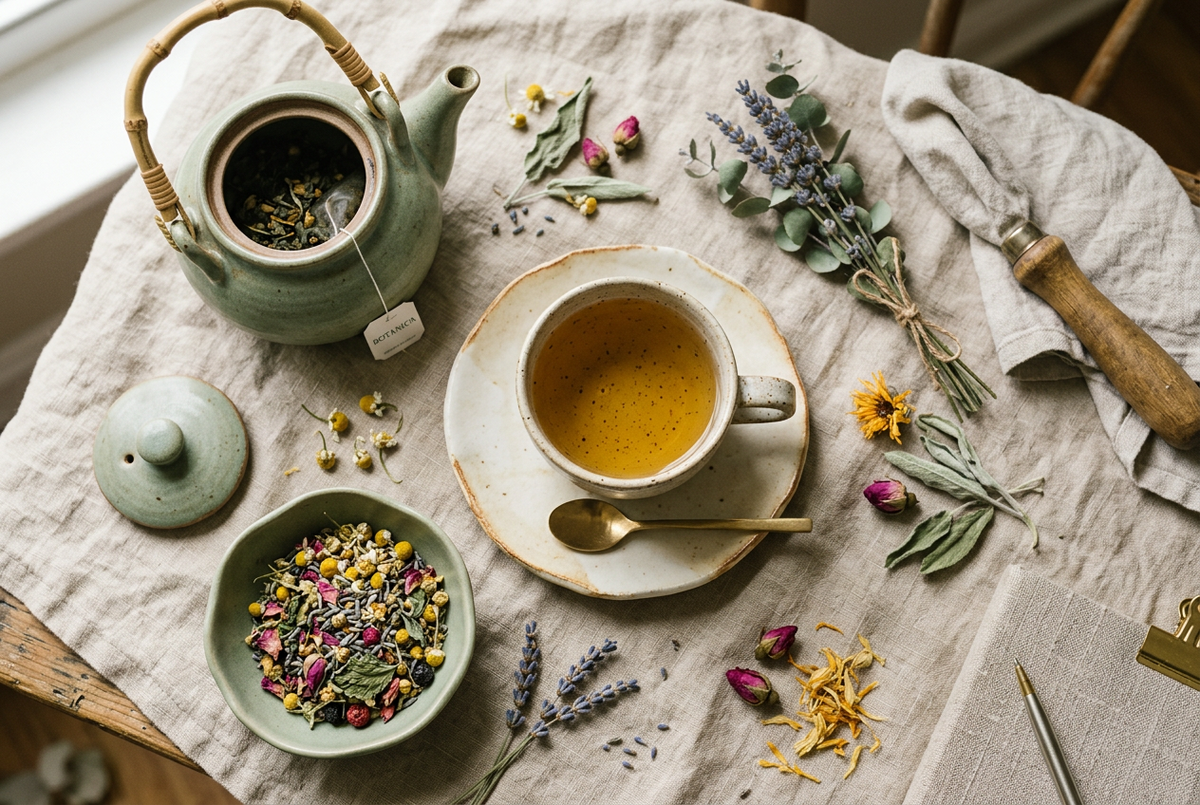
Tea has been enjoyed for centuries, appreciated for its distinctive flavours, natural aromas and place in everyday life. From a refreshing cup of green tea in the morning to a pot of oolong shared with friends, tea offers a simple way to bring a little more intention into the day.
Beyond its taste, tea contains naturally occurring compounds that have attracted considerable scientific interest. Polyphenols, caffeine and amino acids contribute to its character and have been studied for their potential effects on human health.
But what are the actual benefits of drinking tea? How do different tea varieties compare, and how can you make tea part of a balanced lifestyle?
In this guide, we explore the science behind tea, the differences between popular varieties and the simple pleasure of making tea a regular part of your routine.
1. What Are the Main Benefits of Drinking Tea?

Tea can be a valuable part of a balanced lifestyle. Its benefits depend on the type of tea, how it is prepared and individual sensitivity to caffeine.
A Source of Antioxidants
Traditional teas contain polyphenols, including catechins and other plant compounds with antioxidant activity. These compounds are widely studied for their potential role in processes associated with oxidative stress.
Research has explored possible links between tea consumption and cardiovascular health. However, laboratory findings do not automatically translate into proven health benefits, and evidence varies across different outcomes.
Supporting Alertness and Focus
Green, black, white and oolong teas naturally contain caffeine, which can temporarily increase alertness. Tea also contains L-theanine, an amino acid that has been studied for its potential effects on attention and cognitive performance.
Individual responses vary, and tea should not be expected to produce a specific mental state or replace adequate sleep.
Contributing to Hydration
Tea contributes to daily fluid intake. Unsweetened tea can also be an appealing alternative to sugar-sweetened drinks.
Although caffeine has a mild diuretic effect, moderate tea consumption still contributes to hydration for most healthy adults.
Creating a Daily Ritual
Not every benefit of tea needs to be measured in clinical terms. Choosing the leaves, heating the water and preparing a favourite cup can create a welcome pause in a busy day.
For many people, this simple routine is part of the pleasure of tea: a familiar moment to slow down, enjoy the aroma and appreciate the present.
For more information about tea and health, see the Harvard T.H. Chan School of Public Health's guide to tea.
2. What Compounds Are Found in Tea?

Tea contains several naturally occurring compounds that contribute to its flavour and have attracted scientific interest.
-
Polyphenols: Plant compounds found in tea that contribute to its flavour and astringency and have been studied for their antioxidant properties.
-
Catechins: A subgroup of polyphenols particularly associated with green tea. EGCG, or epigallocatechin gallate, is one of the most extensively studied.
-
Caffeine: A natural stimulant that can temporarily increase alertness. The amount varies according to tea type, serving size and brewing method.
-
L-theanine: An amino acid found in tea leaves that has been investigated for its potential relationship with attention and cognitive performance.
The composition of a cup of tea depends on the variety, growing conditions, processing and preparation method. Concentrated tea extracts can also differ substantially from ordinary brewed tea, so their research findings should not be applied directly to everyday tea drinking.
3. Green Tea vs Black Tea: What Is the Difference?

Green and black tea both come from Camellia sinensis, but their processing methods produce different flavours and chemical profiles.
Green Tea
Green tea undergoes processing that limits oxidation, helping preserve its characteristic colour and catechin content.
Its flavour can range from fresh and vegetal to sweet, nutty or gently astringent. Green tea is frequently studied for its catechins, particularly EGCG, and their potential relationship with cardiovascular and metabolic health.
Some research suggests modest effects on selected risk factors, such as cholesterol, but green tea is not a substitute for established medical care or a balanced lifestyle.
Black Tea
Black tea undergoes greater oxidation, producing its familiar range of robust, malty, fruity and floral flavours.
Its polyphenol profile differs from that of green tea and includes compounds such as theaflavins and thearubigins. Researchers have investigated black tea in relation to cardiovascular health, although findings vary and do not establish that drinking tea alone prevents disease.
What About White Tea and Oolong Tea?
White tea generally undergoes relatively limited processing and is often appreciated for its delicate flavour. Oolong tea is partially oxidised and can range from floral and creamy to roasted and richly aromatic.
Neither variety is automatically healthier than green or black tea. Your choice can depend on flavour preference, caffeine tolerance and the kind of tea experience you enjoy.
4. Does Tea Help With Weight Loss?

Tea is often marketed as a weight-loss drink, particularly green tea. However, the evidence does not establish tea as a reliable standalone weight-loss solution.
Caffeine and tea catechins have been investigated for their possible effects on energy expenditure, but any effects appear limited and variable.
One practical advantage of tea is that unsweetened varieties contain very few calories. Replacing sugar-sweetened beverages with unsweetened tea may help reduce overall calorie intake, depending on what you drink otherwise.
For sustainable weight management, overall dietary habits, physical activity, sleep and energy balance matter far more than relying on tea alone.
Concentrated green tea extract supplements should not be confused with brewed tea, as they have different safety considerations and have been associated with rare cases of liver injury.
5. How Much Caffeine Does Tea Contain?
Green, black, white and oolong teas generally contain caffeine. The amount varies according to the tea leaves, serving size, water temperature and steeping time.
Caffeine can support alertness, but it may also cause restlessness or interfere with sleep in sensitive individuals.
Consider these general guidelines when choosing tea throughout the day:
-
Morning: Black or green tea can provide a caffeinated start to the day.
-
Afternoon: Green, white or oolong tea may suit a lighter drinking routine, depending on the preparation.
-
Evening: Consider decaffeinated tea or a naturally caffeine-free herbal infusion if caffeine affects your sleep.
Herbal infusions such as chamomile and peppermint are not traditional teas made from Camellia sinensis. Many are naturally caffeine-free, but check the ingredients of blended products.
The best approach is to observe how caffeine affects you and adjust the timing and strength of your tea accordingly.
6. How to Brew a Better Cup of Tea

The flavour of tea depends on several factors, including leaf quality, water temperature, steeping time and the amount of tea used.
Choose suitable water temperature. Green tea is often brewed at a lower temperature than black tea to help preserve its delicate flavour. Oolong tea preparation varies by style.
Adjust the steeping time. Longer infusions generally produce a stronger flavour and can increase astringency. Follow the tea producer's recommendations, then adjust to your preference.
Use appropriate tea ware. A small porcelain cup may suit repeated oolong infusions, while a larger cup can be practical for everyday black tea. The vessel should feel comfortable and complement your preferred way of drinking.
Make time for the experience. Preparing tea can be a simple daily ritual rather than another task to complete. A few minutes spent enjoying its aroma and flavour can make an ordinary break feel more considered.
Frequently Asked Questions About the Benefits of Tea
What are the main health benefits of drinking tea?
Tea contributes to hydration, contains naturally occurring polyphenols and provides caffeine in traditional varieties. Research has explored possible cardiovascular and other health effects, but the strength of evidence varies. Tea is best enjoyed as part of a balanced lifestyle.
Which tea is the healthiest?
No single tea has been established as universally the healthiest. Green, black, white and oolong teas have different flavour profiles and chemical compositions. Choose according to your preferences, caffeine tolerance and preparation habits.
Does green tea contain more antioxidants than black tea?
Green and black tea contain different profiles of polyphenols. Green tea is known for catechins, while black tea contains compounds formed during oxidation. Their relative health effects depend on the outcome being studied, and neither can be declared universally superior.
Can drinking tea help with weight loss?
Tea is not a reliable standalone weight-loss method. Unsweetened tea can be a useful alternative to high-calorie drinks, but sustainable weight management depends on broader dietary and lifestyle factors.
Is it safe to drink tea every day?
For most healthy adults, moderate consumption of ordinary brewed tea is generally considered safe. Caffeine sensitivity, pregnancy, certain medications and individual health circumstances may require additional consideration.
Discover the Art of Tea With Blissful Reserve

Tea is more than a drink. It is the aroma of freshly brewed leaves, the feel of a favourite cup and the quiet moments that bring a little balance to everyday life.
At Blissful Reserve, we believe that thoughtfully selected tea ware can make these moments more personal. From refined porcelain to delicate bone china and decorative floral designs, the right pieces bring craftsmanship and character to everyday rituals.
Explore our collections:
-
Kung Fu Tea Collection — tea ware for a more deliberate approach to preparation and serving.
-
Floral Collection — floral-inspired pieces for afternoon tea and thoughtful gifting.
-
Bone China Collection — refined tea ware for everyday rituals and special occasions.
A beautiful cup of tea does not need to promise extraordinary results. Sometimes, its greatest value is the simple pleasure of making time for something you enjoy.
Blissful Reserve — The Art of Refined Living.