


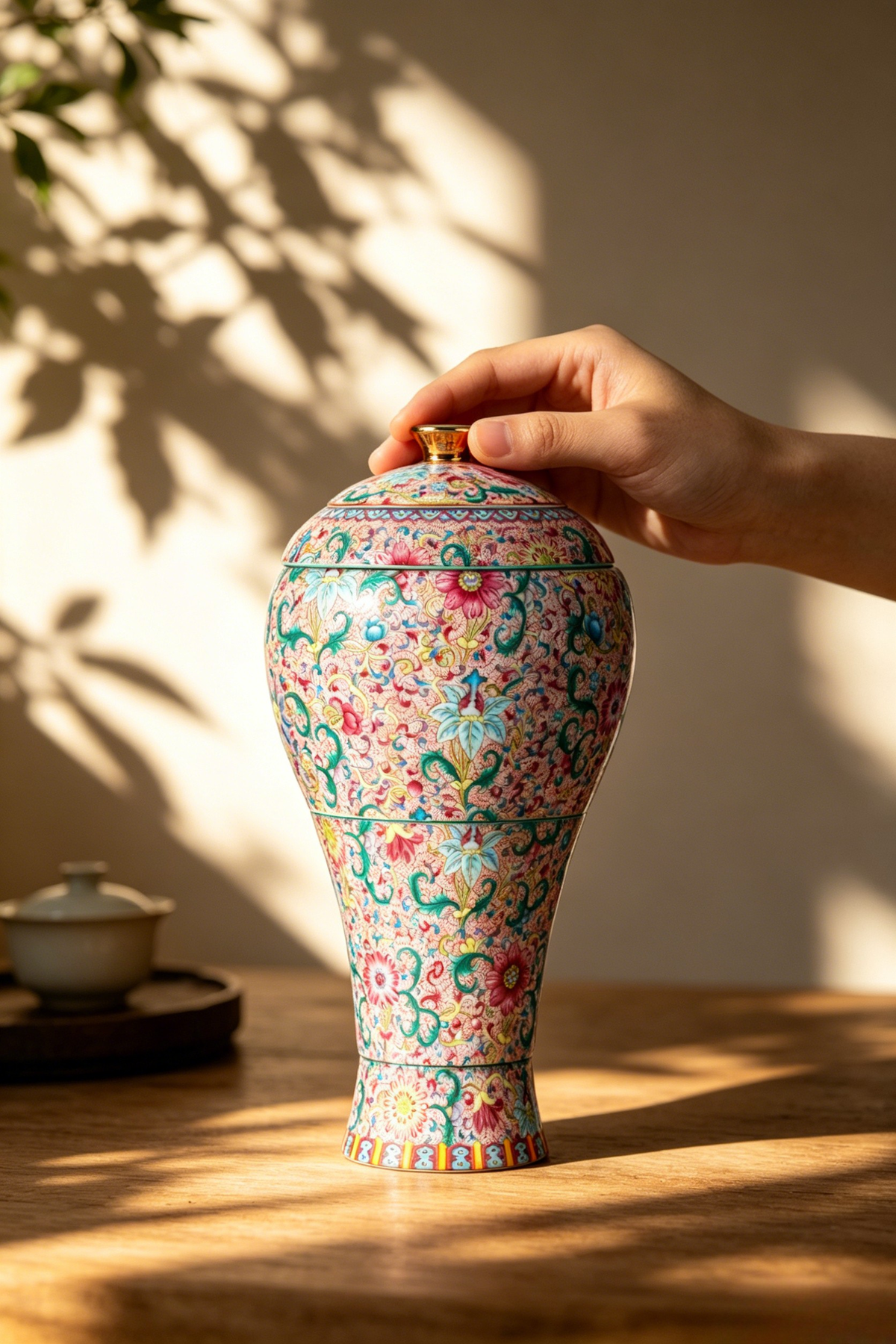
A well-chosen tea pot set can become part of your daily rituals for years. Whether you use a porcelain teapot for afternoon tea, a ceramic pot for everyday brewing, or a decorative tea set for hosting guests, proper care helps preserve both its function and appearance.
However, not every tea pot set should be cleaned or stored in the same way. The ideal care routine depends on the material, surface finish, decorative details, and whether the pieces are dishwasher- or microwave-safe.
This guide explains how to care for a tea pot set, with practical advice for cleaning, drying, storing, and using different types of teaware.
Why Proper Tea Pot Set Care Matters
Regular maintenance is not simply about keeping your teapot looking attractive. It also helps prevent:
-
Tea stains and residue buildup
-
Unpleasant odors from retained moisture
-
Scratches and damage to decorative finishes
-
Cracks caused by sudden temperature changes
-
Wear on gold detailing, painted surfaces, and delicate handles
A thoughtful care routine does not need to be complicated. In most cases, gentle cleaning, thorough drying, and appropriate storage are enough to keep your tea pot set in good condition.
The most important principle is to follow the care instructions for the specific material and finish.
1. Identify the Material Before Cleaning
Before choosing a cleaning method, check what your tea pot set is made from. Two teapots may look similar but require different care depending on their composition and decoration.
Common teaware materials include:
|
Material |
General Care Considerations |
|---|---|
|
Porcelain |
Usually suitable for gentle hand washing; avoid sudden temperature changes |
|
Bone china |
Handle carefully, especially when the pieces have thin walls or delicate decoration |
|
Ceramic |
Care depends on the glaze, clay body, and decorative finish |
|
Glass |
Avoid thermal shock and abrasive cleaning tools |
|
Gold-decorated teaware |
Avoid abrasive products and verify whether dishwasher or microwave use is prohibited |
|
Hand-painted or specialty finishes |
Follow the specific manufacturer's instructions |
Material names alone do not always determine the complete care routine. A porcelain teapot with a plain glazed surface may tolerate different conditions from one with hand-painted details, metallic trim, or an unglazed exterior.
Always check the product's care instructions before applying heat, detergents, or mechanical cleaning.
2. How to Clean a Porcelain Teapot
Porcelain is commonly used for teapots and tea sets because of its smooth surface and refined appearance. However, porcelain pieces can still be vulnerable to impact, thermal shock, and decorative damage.
If you are wondering how to clean a porcelain teapot, a gentle hand-washing routine is a practical starting point.
Step 1: Empty the Teapot After Use
Remove the remaining tea leaves and liquid soon after brewing. Leaving tea residue inside the pot for an extended period can contribute to staining and lingering odors.
For teapots with built-in filters or removable strainers, empty and clean those parts separately.
Step 2: Rinse With Lukewarm Water
Rinse the teapot using lukewarm water rather than immediately exposing a hot pot to very cold water.
Sudden temperature changes may place stress on certain ceramic and porcelain pieces, particularly when the material is already hot or has existing damage.
Step 3: Use a Soft Sponge
For everyday cleaning, use:
-
A soft sponge or non-abrasive cloth
-
A small amount of mild dishwashing detergent when needed
-
Lukewarm water
Avoid steel wool, abrasive scouring pads, and harsh cleaning powders. These products may scratch surfaces or affect decorative finishes.
Step 4: Rinse Thoroughly
If detergent is used, rinse the teapot and its components thoroughly. Pay attention to the spout, lid, strainer, and areas where tea residue may collect.
Step 5: Allow the Pieces to Dry
Place the teapot and lid in a well-ventilated area and allow them to dry completely before storage.
If the lid fits tightly, avoid sealing the pot while moisture remains inside. Trapped moisture can contribute to unpleasant smells or residue buildup.
3. How to Care for Bone China Tea Sets
Bone china is valued for its light appearance, delicate feel, and elegant finish. Although it can be durable in everyday use, its thinner profiles and decorative details may require additional care.
When cleaning a bone china tea set:
-
Prefer hand washing unless the manufacturer specifically confirms dishwasher safety.
-
Use a soft sponge or cloth.
-
Avoid sudden changes in temperature.
-
Do not stack pieces carelessly.
-
Handle cups and lids by their stronger structural areas rather than applying pressure to delicate handles or rims.
If your bone china tea set includes gold edges, painted motifs, or other decorative elements, use the more conservative care method recommended for the decoration.
Pay Attention to Gold and Metallic Details
Gold-lined rims and metallic accents can be particularly sensitive to abrasive cleaning and repeated exposure to harsh detergents.
For tea sets with gold decoration:
-
Wash by hand unless the product instructions state otherwise.
-
Avoid abrasive sponges and cleaning powders.
-
Do not scrub the decorated areas aggressively.
-
Check whether microwave use is prohibited.
-
Dry with a soft, clean cloth if necessary.
For a specific product, the actual care instructions should take priority over general advice.
4. Caring for Ceramic Teapots
Ceramic teapots can vary significantly in their construction. Some have a glossy glazed surface, while others may include textured, matte, porous, or partially unglazed areas.
This means that ceramic teapot care should be based on the individual piece rather than on the word ceramic alone.
Glazed Ceramic
A glazed ceramic teapot can often be cleaned with warm water, a soft sponge, and mild detergent when necessary.
Avoid:
-
Abrasive cleaning tools
-
Sudden temperature changes
-
Excessive force around the spout and handle
-
Leaving tea residue inside for prolonged periods
Unglazed or Porous Ceramic
Unglazed or porous ceramic may absorb moisture and tea aromas differently from glazed surfaces. Some traditional teapots are intentionally used with particular tea types, and their maintenance requirements may differ from those of a fully glazed teapot.
Before using detergent or attempting to remove stains, check the manufacturer's instructions. A cleaning method that works for glazed porcelain may not be appropriate for a porous tea vessel.
Do not assume that every ceramic teapot should be treated in the same way.
5. Caring for Glass Teapots
Glass teapots allow you to observe the color and movement of tea while brewing. However, glass is sensitive to impact and sudden temperature changes.
To care for a glass teapot:
-
Avoid pouring boiling water into a cold vessel unless it is specifically designed for that use.
-
Do not place a hot teapot directly on a cold or wet surface.
-
Use a soft sponge rather than abrasive tools.
-
Handle the lid and spout carefully.
-
Inspect the glass regularly for chips, cracks, or other damage.
If the teapot develops a crack or significant chip, discontinue use. Damage can compromise the structural integrity of the vessel.
6. How to Remove Tea Stains Safely
Tea stains are common, especially when a teapot or cup is used frequently. The appropriate method depends on the material and finish.
For Plain, Glazed Surfaces
For ordinary staining on a compatible glazed surface, begin with:
-
Warm water
-
A soft sponge
-
Mild dishwashing detergent if needed
-
Gentle, repeated cleaning rather than aggressive scrubbing
Allowing the residue to soften in warm water may reduce the need for abrasive action.
For Decorative or Delicate Surfaces
If the teapot has gold trim, hand-painted decoration, a specialty glaze, or an unglazed surface, do not immediately use baking soda, strong stain removers, or abrasive powders.
These methods may affect the finish or decoration. Instead, consult the product's care instructions or test only an approved method.
Avoid Over-Cleaning
A tea pot set does not need to be scrubbed aggressively after every use. Excessive friction may cause unnecessary wear, particularly on decorative areas.
The goal is to remove residue while preserving the original surface.
7. Cleaning the Teapot Spout, Lid, and Strainer
The main body of the teapot is not the only part that needs attention. Small components can retain tea residue and moisture.
The Spout
Tea residue can accumulate around the spout opening. Rinse it carefully and use a soft brush only if the product instructions permit it.
Avoid forcing tools into narrow openings, as this may damage internal filters or delicate construction.
The Lid
Wash the lid separately and check the area underneath for trapped tea residue. Allow it to dry fully before placing it back on the teapot.
The Strainer
If the teapot includes a removable strainer, clean it after each use. Tea leaves can dry onto the surface and become more difficult to remove later.
For fine mesh strainers, avoid pulling or pressing aggressively against the mesh.
8. Drying and Storing Your Tea Pot Set
Proper storage is just as important as cleaning. Even a clean tea pot set may develop problems if it is stored while damp or placed in an unstable position.
Dry Every Piece Completely
Before storage:
-
Empty all remaining water.
-
Rinse away tea residue.
-
Allow the teapot, lid, cups, and strainers to dry.
-
Check enclosed areas for retained moisture.
Avoid storing a teapot with the lid tightly closed if the interior is still damp.
Store in a Stable Location
Choose a dry and stable cabinet or shelf. Keep delicate pieces away from areas where they may be knocked over or exposed to excessive humidity.
When stacking cups or saucers, consider using protective separators if the manufacturer recommends them. Avoid placing heavy items on top of fragile teaware.
Handle Lids and Handles Carefully
Teapot lids, handles, and spouts can be vulnerable to impact. Do not lift a teapot by its lid, and avoid placing pressure on the spout when moving it.
For larger or heavier teapots, support the body securely with both hands when appropriate.
9. Everyday Use: Habits That Help Preserve Your Teaware
Good maintenance begins with how you use the tea pot set.
Avoid Sudden Temperature Changes
Do not move a very hot teapot directly onto a cold surface or rinse it immediately with cold water. Allow it to cool gradually when necessary.
Do Not Overfill the Teapot
Follow the intended capacity of the product. Overfilling may cause hot liquid to spill when the lid is placed on the pot or when the teapot is lifted.
Use Appropriate Heat Sources
Not every teapot is designed for direct heat, stovetop use, or warming appliances. Never place a teapot on a heat source unless the product instructions explicitly confirm that it is suitable.
Keep Different Tea Types in Mind
Some teapots may retain aromas more readily than others. If a vessel is intended for a particular type of tea, follow the care and usage recommendations provided for that product.
Avoid Using Damaged Teaware
Inspect your tea pot set occasionally for:
-
Cracks
-
Chips
-
Loose handles
-
Damaged lids
-
Unstable bases
-
Worn or flaking decorative finishes
If a piece is damaged in a way that could affect safe handling or use, stop using it until its suitability has been assessed.
10. Dishwasher and Microwave Safety
Dishwasher and microwave suitability should never be assumed based only on the material.
A porcelain or bone china product may have decorative elements that are not suitable for repeated dishwasher cycles. Metallic details, including gold trim, may also make microwave use inappropriate.
Before using a dishwasher or microwave, verify:
-
The manufacturer's instructions
-
Whether the product is marked dishwasher-safe
-
Whether the product is marked microwave-safe
-
Whether it contains gold, metallic, or hand-painted details
-
Whether the product includes bonded or delicate components
When no clear information is available, gentle hand washing is generally the more cautious option.
For Blissful Reserve products, product-specific care instructions should be included or linked wherever available. Avoid publishing a universal dishwasher or microwave claim without confirming the details for each item.
11. A Simple Tea Pot Set Care Routine
You can maintain most teaware through a simple routine.
After Every Use
-
Empty the tea leaves and remaining liquid.
-
Rinse the teapot and accessories.
-
Remove residue from the spout, lid, and strainer.
-
Allow all components to dry thoroughly.
Once a Week or When Needed
-
Wash with mild detergent if appropriate for the material.
-
Check for tea stains and residue.
-
Inspect the lid, handle, and spout.
-
Clean storage areas where dust or moisture may accumulate.
Periodically
-
Review the manufacturer's care instructions.
-
Check decorative details for wear.
-
Inspect the teapot for cracks or chips.
-
Reorganize storage to prevent pieces from rubbing against one another.
The right frequency depends on how often the tea pot set is used and the type of tea being prepared.
Tea Pot Set Care Checklist
Before storing your tea pot set, ask yourself:
A few consistent habits can help preserve the appearance and usability of your teaware without making maintenance feel like a chore.
Frequently Asked Questions
How often should I clean my tea pot set?
Rinse and empty your tea pot set after every use. Use mild detergent when appropriate for the material and whenever a more thorough cleaning is needed. The specific frequency depends on the type of teapot, tea, and surface finish.
How do you clean a porcelain teapot?
For many glazed porcelain teapots, gentle hand washing with lukewarm water, a soft sponge, and mild detergent is a suitable approach. Avoid abrasive tools and sudden temperature changes. Always check the product's specific care instructions, especially if it has metallic or hand-painted decoration.
Can I put a porcelain tea set in the dishwasher?
Not necessarily. Dishwasher suitability depends on the product's construction and decoration. Check the manufacturer's instructions before using a dishwasher, particularly when the tea set includes gold trim, painted details, or delicate components.
Can I use a microwave with a gold-decorated tea set?
Gold and other metallic decorations may make a tea set unsuitable for microwave use. Check the product instructions before placing it in a microwave.
Should I use detergent to clean every teapot?
Not every teapot should be cleaned in the same way. Plain glazed surfaces may tolerate mild detergent, while porous, unglazed, or specially finished teapots may require a different approach. Follow the manufacturer's recommendations.
How should I store a teapot between uses?
Store the teapot and its components in a dry, stable location after they have dried completely. Avoid sealing a damp teapot and protect delicate pieces from impact, pressure, and unnecessary friction.
Final Thoughts
Caring for a tea pot set is about understanding the material, respecting the finish, and developing a few consistent habits.
Porcelain, bone china, ceramic, and glass each have their own characteristics. Decorative details such as gold trim, painted surfaces, and specialty finishes may require additional precautions. Rather than applying one cleaning method to every product, take a moment to check the specific care instructions.
With gentle cleaning, thorough drying, and thoughtful storage, your tea pot set can remain a considered part of everyday tea rituals and moments shared with others.
The beauty of well-made teaware is not only in how it looks when first purchased, but in how naturally it continues to accompany daily life.